Forking at Perfection
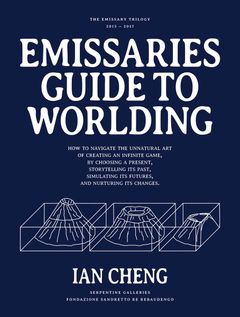
Ian Cheng's live simulations are video works that nobody, including the artist, can watch to the end: virtual ecosystems seeded with a few programmed properties and then left to evolve without authorial control, endlessly and without resolution. This is the first book to treat them as a body of work.
Published by JRP|Ringier with the Migros Museum für Gegenwartskunst for Cheng's exhibition there in spring 2016, the volume covers the simulations he had made to that point, with essays by the curator Raphael Gygax and by Franziska Bigger alongside a selection of the artist's own writing. The 140-page book carries 64 color plates and was designed by Studio Marie Lusa. Cheng's touchstones surface throughout — video game design, improvisational theater, Darwinian brutality, and Julian Jaynes's 1976 argument about the bicameral origins of consciousness — as does his own description of the simulations as a "neurological gym," a place to practice the confusion and cognitive dissonance that unrelenting change produces.
Cheng, born in Los Angeles in 1984, studied cognitive science before turning to art, and went on to make the Emissaries trilogy (2015–17) and the artificial lifeform BOB, shown at the Serpentine in 2018.