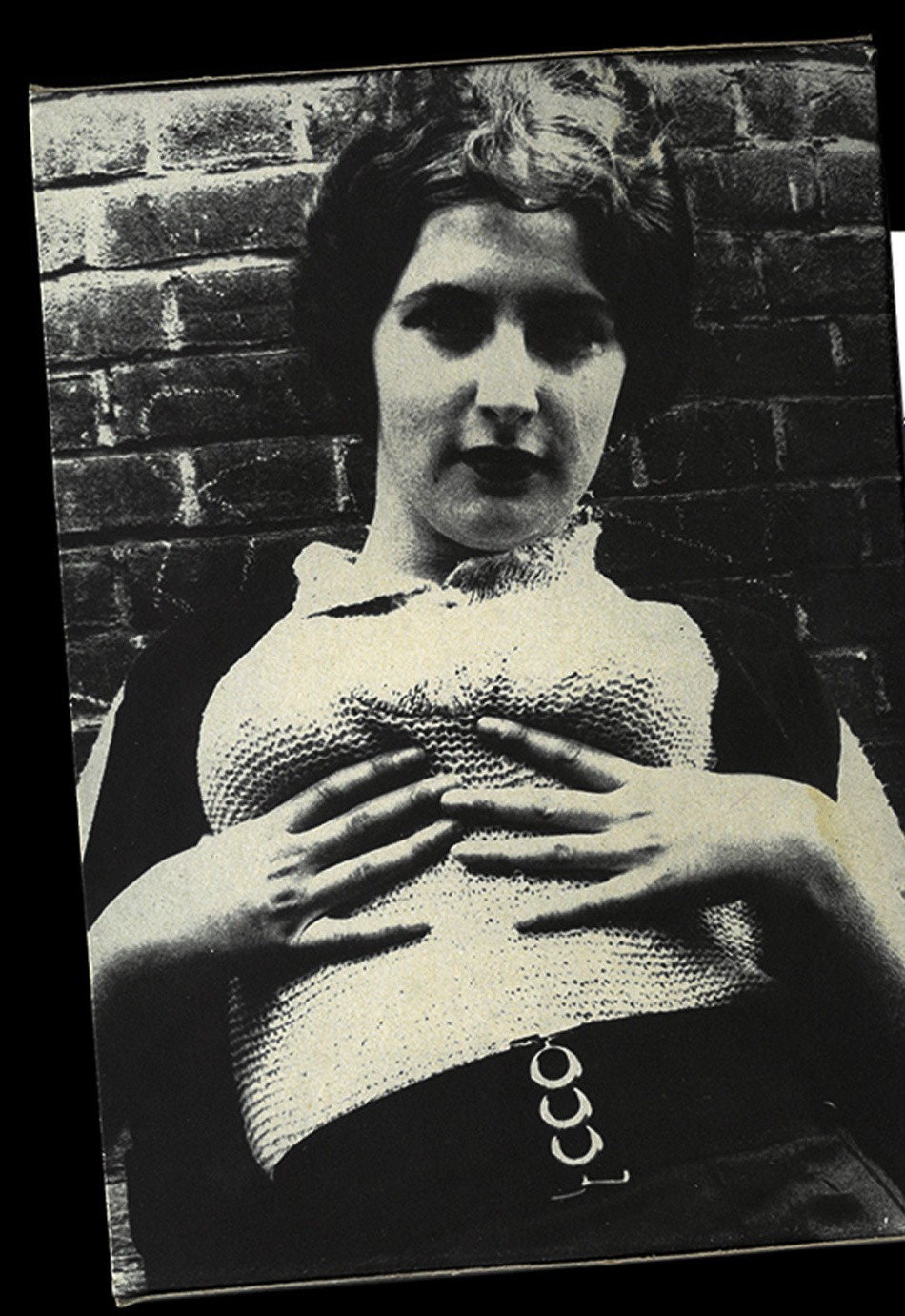
Gerard Petrus Fieret
Gerard Petrus Fieret is the first major monograph devoted to a photographer the Dutch mostly ignored while he was alive: a self-taught obsessive who photographed almost nothing but a handful of subjects, over and over, for about a decade.
Editions Xavier Barral and Le Bal published the book in 2016. It accompanied an exhibition organized with Fotomuseum Den Haag and shown at Le Bal in Paris that May through August. The 592-page book reproduces 297 black-and-white photographs on deliberately thin, semi-transparent paper. Images bleed faintly into one another as the pages turn, echoing the double exposures and scratched negatives in Fieret's own prints. He acquired his first camera in 1965 and largely stopped photographing around 1975. In that decade he photographed women, children, street scenes, shop windows, and himself with an obsessive, unrepeatable intensity, working the same reflex Praktica through solarization and multiple exposure. Essays by Wim van Sinderen, Hripsime Visser, Francesco Zanot, and Violette Gillet place the work within Dutch and European photography of the period.
Fieret rejected the label "photographer," calling himself a "fotograficus." His later life was marked by poverty, illness, and the loss of much of his archive to theft and neglect. He remains far less known internationally than contemporaries like Ed van der Elsken, though this monograph and its accompanying exhibition were built to change that.