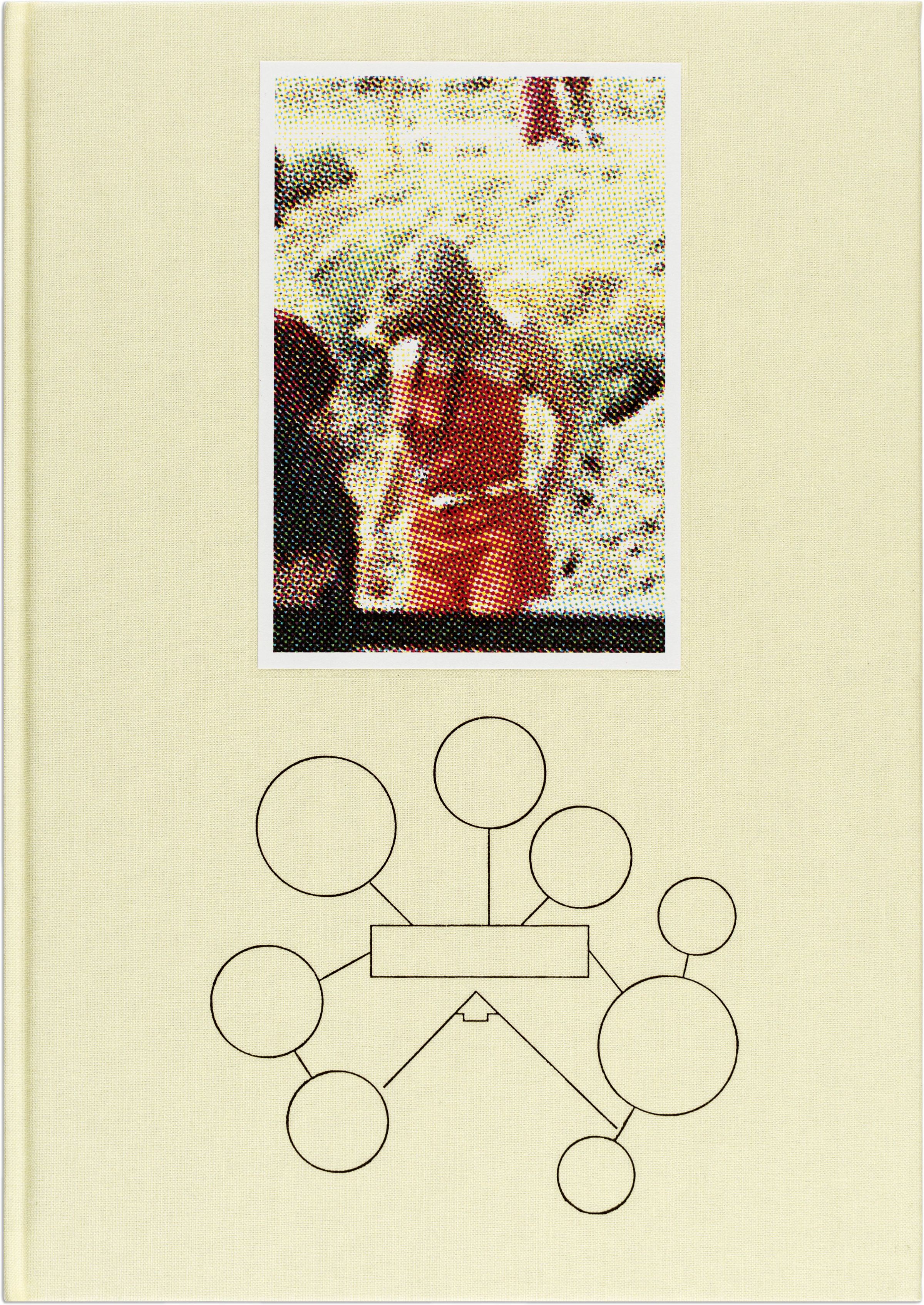
Ramya
Petra Stavast moved into her landlady Ramya's Amsterdam home in 2001, and the camera became the two women's shared language over the fourteen years that followed.
The resulting photographs are quiet and domestic: the house, its rooms, and Ramya herself, gathered slowly enough that the changes in a life only show up in hindsight. Ramya died in 2012, and rather than closing the project, her death sent Stavast deeper into it — she went through her former landlady's private archive and located photographs a neighbor had taken over the years, assembling a fuller biography than the original portrait project had set out to make. That research surfaced an unexpected history: Ramya had belonged to the Rajneeshpuram commune, the Oregon settlement founded in 1981 by followers of the Bhagwan (Osho), and a later video shows her back in Amsterdam attending a workshop with a different guru. Stavast weaves these photographic and archival threads, along with video stills, into a 224-page hardcover designed by Hans Gremmen, published by Fw:Books with Roma Publications in Amsterdam in 2014.
The book was widely recognized on its release, named to De Volkskrant's 15 Best Dutch Photobooks of 2014, Photo-eye's Best Books of 2014, and the Kassel Fotobookfestival's year-end selections. It stands as one of Stavast's best-known long-form documentary projects, built on the kind of sustained, cohabiting proximity to a subject that only fourteen years of shared address could produce.