Candlestick Point
Candlestick Point is Lewis Baltz's stark inventory of a marginal California landscape, one of the defining works of the New Topographics movement and a touchstone for photography's turn toward the built and the discarded.
First published in 1989 and long out of print, the 2011 Steidl edition returns Baltz's black-and-white photographs of an undeveloped strip of San Francisco Bay shoreline scarred by drainage channels, dumped rubble, and abandoned infrastructure to print. Designed by Baltz, Bernard Fischer, and Gerhard Steidl, the clothbound volume adds a new text by Wolfgang Scheppe, Lewis Baltz and the Garden of False Reality, situating the pictures within the artist's broader inquiry into land, waste, and surveillance.
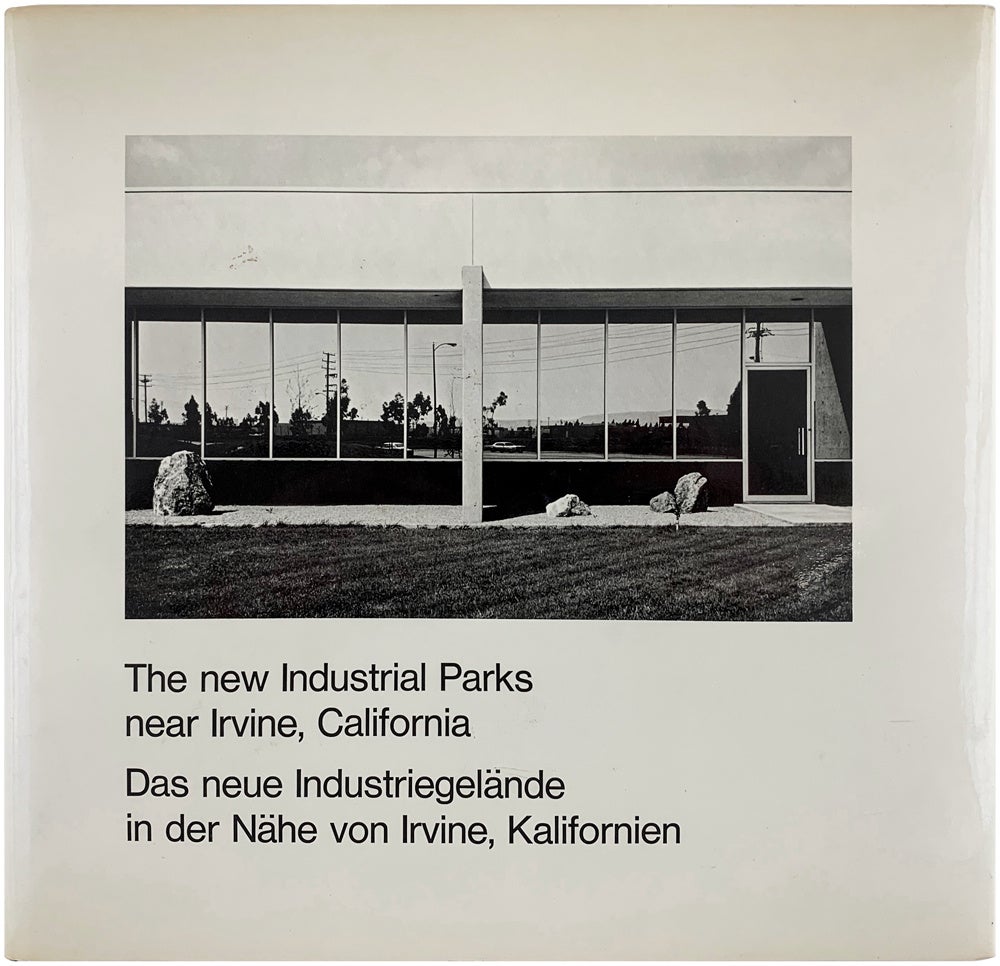
Baltz emerged in the 1970s as a central figure of New Topographics, photographing tract housing, industrial parks, and the anonymous edges of the American West with a cool, deadpan rigor drawn as much from Minimalism and Conceptual art as from documentary photography. Candlestick Point extends that project into the terrain of landfill and reclamation, and remains one of his most sustained bodies of work.