Lewis Baltz
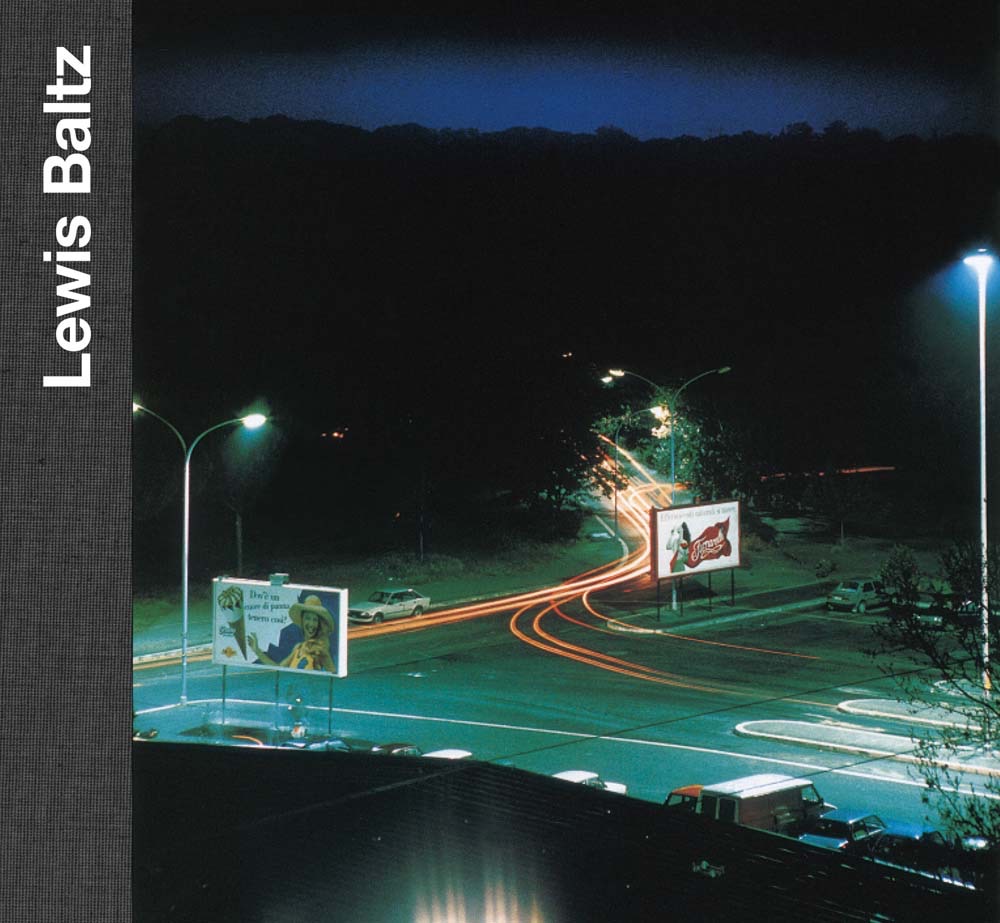
Steidl's 2017 Lewis Baltz is the first comprehensive monograph to appear after the photographer's death in 2014, assembling five decades of work into a single retrospective volume.
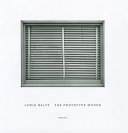
Co-published with Fundación Mapfre to accompany the first full-scale exhibition of Baltz's photography since his death, the 320-page clothbound book moves chronologically through his interlocking series: the early Prototypes and tract-house studies, the black-and-white surveys Park City, San Quentin Point, and Candlestick Point, and the later color panoramas made in Europe, including Venezia Marghera. Essays by Walead Beshty and Urs Stahel, plus an interview conducted by David Campany, read the work as a single continuous project rather than a set of separate bodies of work.
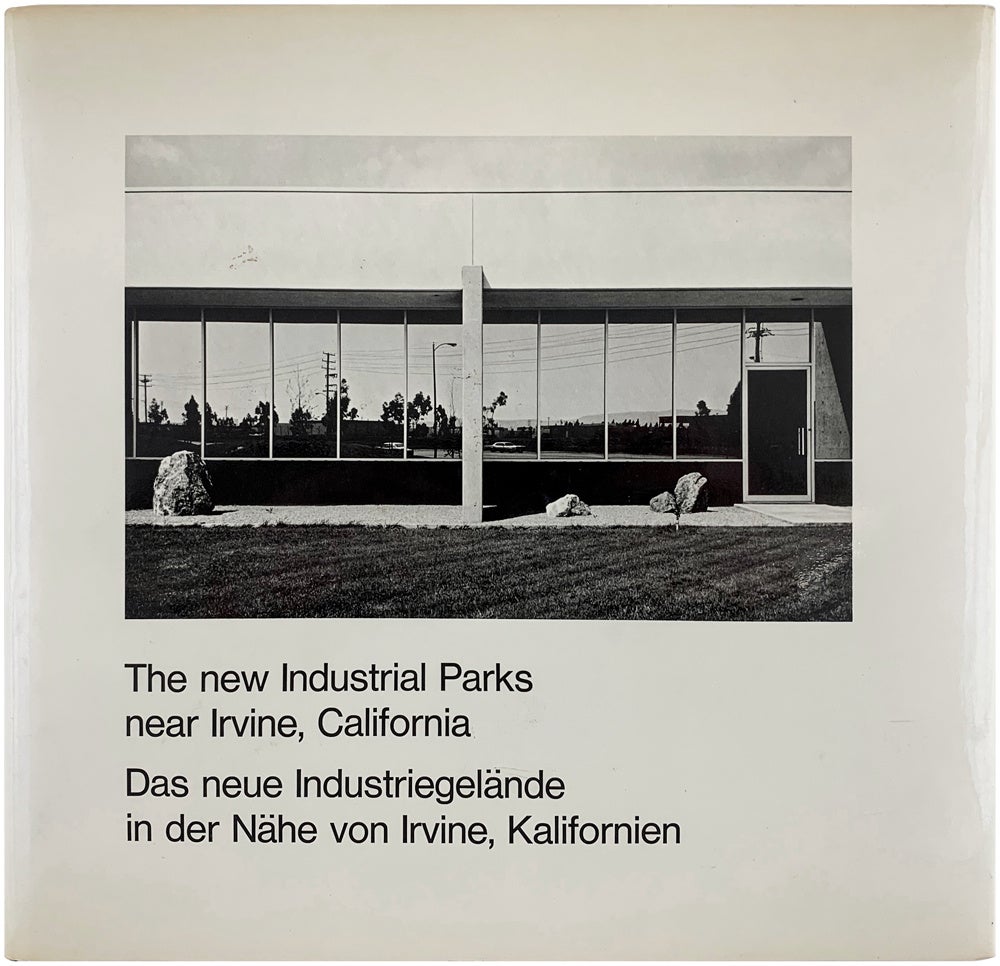
Baltz emerged in the 1970s as one of the sharpest voices of the New Topographics generation, photographing tract housing and industrial parks with a flatness that treated the built environment as evidence rather than scenery. This volume places that early work alongside his later, more painterly color series, tracing how one deadpan method carried across four decades and two continents.