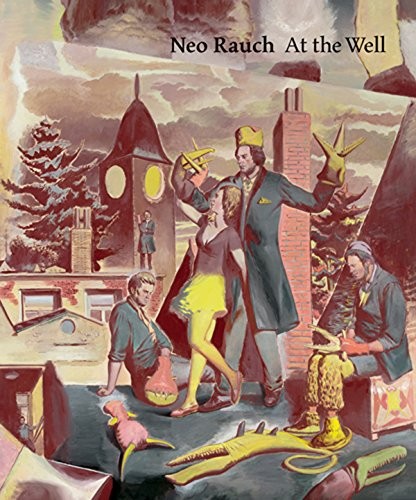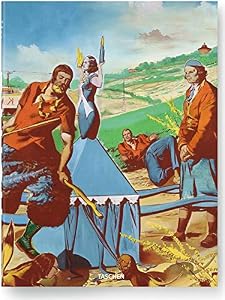
Neo Rauch
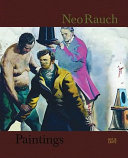
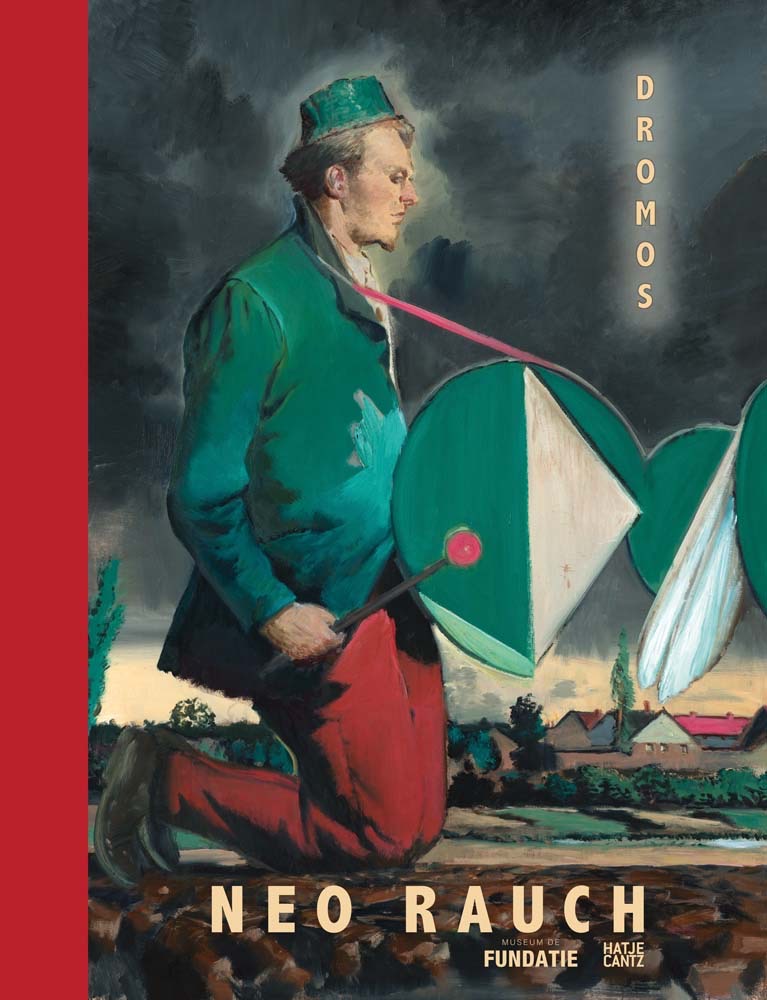
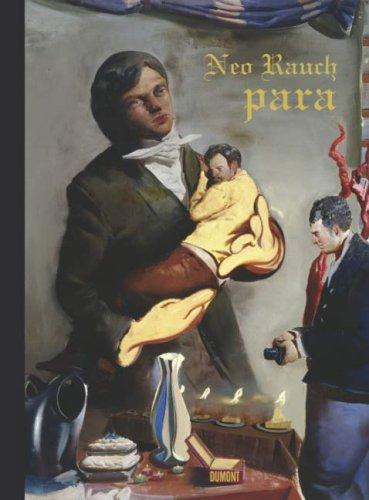
This oversized Taschen monograph gathers the essential overview of Neo Rauch's paintings, canvases built from startling juxtapositions of figures, architecture, and unresolved narrative.
Across 462 pages, the book reproduces Rauch's work at large scale, drawing on a deep consideration of philosophy, art history, and literature alongside the artist's own dreamscape. Essays by Wolfgang Büscher, Harald Kunde, and Gary Tinterow, edited by Hans Werner Holzwarth, situate the paintings within the history of German figurative painting and Rauch's training at the Leipzig Academy, with text in English, French, and German. The trade edition's large trim size lets the book stand as a surrogate for the paintings' own scale and detail.
Rauch emerged from the so-called New Leipzig School, absorbing the technical rigor of Socialist Realist painting under his teacher Arno Rink and redirecting it toward scenes that resist single interpretation: figures caught mid-gesture in landscapes and interiors that mix industrial infrastructure with folkloric and mythological imagery. This volume, published to accompany a period of major museum surveys, remains the fullest single-volume record of that body of work.